
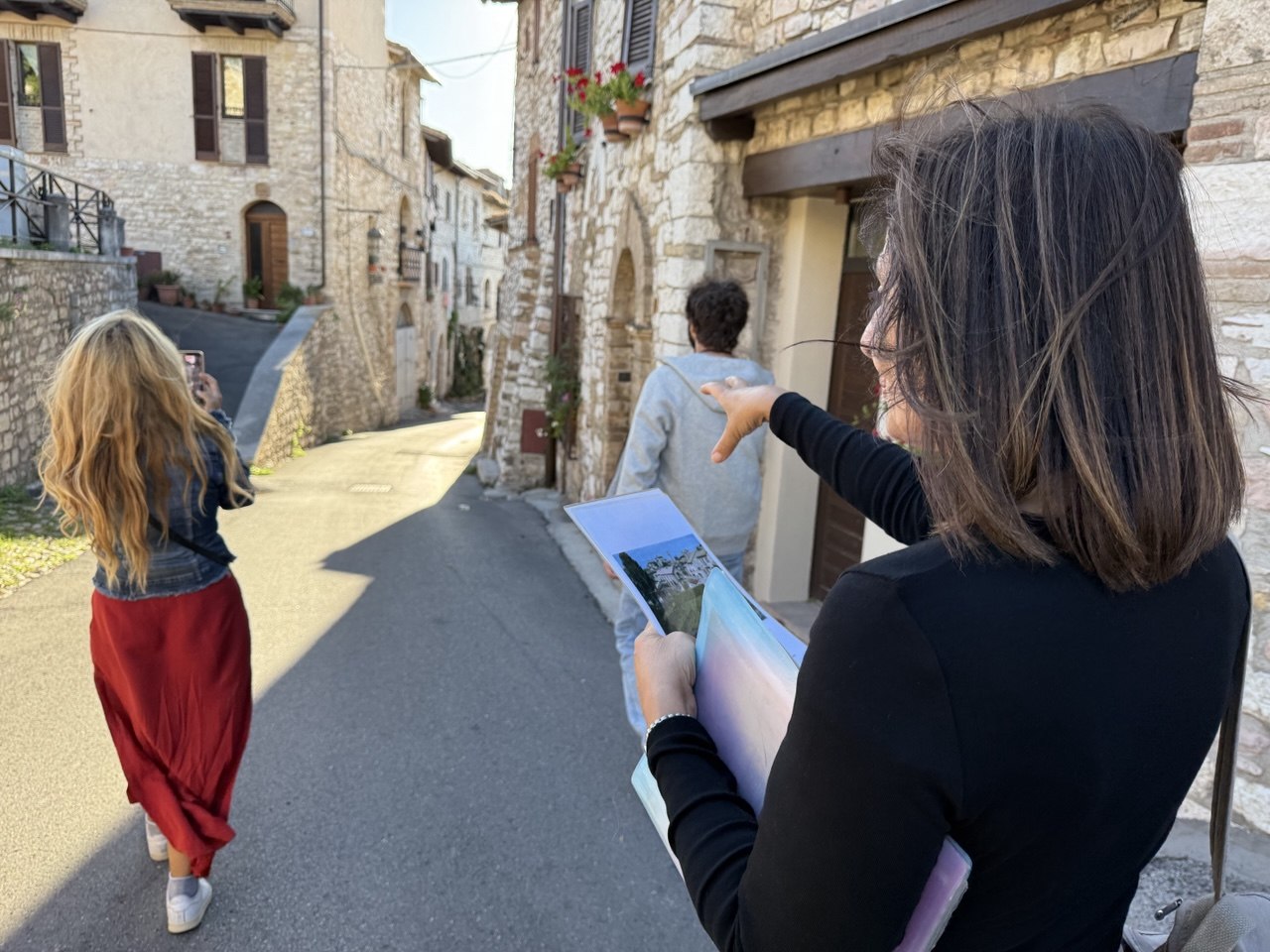
Private Tours in Italy: Planning a Custom Trip That Fits
Private Tours in Italy: What’s Changed for 2026 Travelers
A private tour in Italy today means a dedicated travel consultant building an itinerary around one traveler’s pace, not a seat on a coach following a fixed script. The difference is structural: planning starts with preferences, not with a departure calendar, and pacing flexes day to day rather than locking every hour to a bus schedule.
The market has shifted accordingly. More travelers want multi-city, multi-region trips — pairing Tuscany’s hill towns with the Amalfi Coast’s cliffside villages in a single custom journey — rather than the standardized bus-tour circuit of a decade ago. Among private tour companies in Italy, this has pushed demand toward operators who can genuinely compose a route across regions instead of just reselling a single city’s excursions. At the same time, the booking window for exclusive access — a private guide at a packed museum, a villa with limited availability, a small-group wine estate visit — has tightened considerably, rewarding travelers who plan well ahead of peak season.
What separates the better private tour guide Italy experiences from the rest isn’t the promise of personalization itself — every operator claims that now. It’s what sits underneath: how far in advance local logistics are secured, how deeply a company’s network reaches into a region, and whether an itinerary spanning something like a Venice Florence Rome and Amalfi Coast tour is actually built city by city around real-time availability, or assembled from the same recycled stops. That logistical groundwork, more than any pitch about flexibility, is what determines whether a trip across multiple regions holds together.
Private & Custom Italy Tours: Core Concepts
A genuine custom Italy itinerary is built from three decisions made in sequence: which regions to combine, whether to anchor in base cities or move in a touring loop, and how accommodation style shapes the daily pace. Get the order wrong and even a well-intentioned trip ends up feeling patched together.
Multi-region structure usually takes one of two forms. A base-city model plants travelers in one hub — Florence, say — for several nights, with day trips radiating outward to Siena, Chianti, or coastal towns before moving to the next base. A touring loop instead relocates every one or two nights, tracing a route like Rome to the Amalfi Coast to Tuscany without doubling back. Base cities suit travelers who dislike repacking; loops suit those prioritizing ground covered. Neither is objectively better — the right choice depends on tolerance for transit time versus appetite for variety, which is exactly the judgment a template can’t make for an individual traveler.
What makes an itinerary bespoke rather than templated is sequencing logic, not inventory. A templated product swaps hotel names onto a fixed day-by-day skeleton everyone receives. A true custom build starts from the traveler’s actual interests and constraints — anniversary pacing, mobility, food preferences, which regions matter most — and only then selects routes, guides, and properties to fit. Among companies marketed as best private tour companies in Italy, this distinction is the one worth testing directly: ask how the itinerary would change if you removed a city, and a templated operator will struggle to explain why the remaining days still make sense together.
Villa and 4-star stays aren’t just a comfort tier — they set the rhythm of the trip. A countryside villa with a private pool invites slow mornings and encourages skipping a packed sightseeing day in favor of rest, which works well mid-trip between dense city stretches. A 4-star hotel in a historic center puts everything walkable, suiting shorter stays where maximizing hours outside the room matters more than space. Pacing a multi-region trip well often means alternating the two deliberately: city density followed by villa decompression, rather than defaulting to one style for the entire journey.
This is also where the gap between “private tours in Italy” as a marketing phrase and as a working method shows up. A route combining, for instance, a Rome Venice and Amalfi Coast tour only holds together if lodging choices and pacing were planned as one system — not booked region by region after the fact.
Planning Your Private Italy Tour Step by Step
Booking a private Italy trip follows six concrete stages: initial consultation, draft itinerary review, accommodation and guide confirmation, logistics verification, final itinerary lock, and pre-departure briefing. Each stage should produce a written deliverable before the next begins — if it doesn’t, the planning isn’t actually sequential.
Stage one is the consultation, not a form you fill out alone. A real planning process starts with a conversation covering trip dates, anniversary or occasion details, regions of interest, mobility needs, and budget range. This is where a dedicated travel consultant — rather than a generic intake questionnaire — distinguishes a tailor-made process from a packaged one, because follow-up questions at this stage shape every decision afterward.
Stage two is the draft itinerary, delivered as a day-by-day document for review, not a sales pitch. It should name specific properties, specific guides, and specific transfer logistics — not placeholders like “4-star hotel” or “local expert.” Push back here if anything feels generic; this is the cheapest point in the process to change course, and a good operator expects revisions rather than treating the first draft as final.
Stage three is verification of guides and properties, the step most generic advice skips entirely. Ask directly whether guides are licensed and whether they’re employed or subcontracted on a one-off basis — companies that partner exclusively with licensed local experts for skip-the-line museum access should be able to name the partnership, not just the credential. The same scrutiny applies to accommodations: a villa listed as “exclusive” should have a verifiable booking history with the operator, not a stock photo pulled from a listing site.
Stage four confirms logistics: transfers between regions, timing buffers around flights, and contingency plans for delays. This matters most on multi-region routes — a Venice Florence Rome and Amalfi Coast tour involves several handoffs, and each one needs a named driver or transfer service attached to a specific time window, not a vague “transport included” line.
Stage five locks the itinerary with signed confirmations from every property and guide, not just the operator’s internal schedule. Stage six is a pre-departure briefing covering what’s confirmed, what’s flexible, and who to contact in-country if plans shift — the difference between a private tour guide in Italy who answers a phone and one who exists only in a booking email.
Common Pitfalls in Planning a Private Italy Trip
Most private Italy trips go wrong in three places: hidden costs that surface after booking, logistics gaps between regions, and vague claims about “private” access that don’t hold up under questions. Each has a specific fix, not just a warning to watch out for.
Pitfall one: quoted prices that exclude the expenses that matter most. Guide fees, museum reservation surcharges, and driver gratuities often sit outside the headline price on package comparisons. The fix is a single written document itemizing what’s included before any deposit — entrance fees, per-day guide cost, and transfer pricing listed separately, not bundled into a number that looks lower than it is.
Pitfall two: itineraries that treat multi-region travel as a single trip rather than several connected ones. A route spanning Rome, Venice and the Amalfi Coast tours three distinct logistics systems — train, car, and ferry — each with its own failure points. The fix is asking, for every handoff, who meets you and what happens if that connection slips by two hours; if the answer is vague, the plan isn’t finished yet.
Pitfall three: “private tour guide in Italy” used loosely to mean anything from a licensed local expert to a driver who also narrates. These are different services at different price points, and conflating them is how travelers end up disappointed by a transfer they expected to be a guided experience. The fix is asking directly whether the guide is licensed for the specific site — a Vatican or Uffizi visit requires different credentials than a countryside walk — since operators who partner exclusively with licensed local experts can name the credential without hesitation.
Pitfall four: rigid daily schedules sold as “customized.” A tailor-made trip should flex if you want to linger an extra hour at a vineyard or cut a stop short. The fix is asking how itinerary changes are handled once travel begins, not just during planning — an approach built around adjustable pacing, rather than a fixed script, is what separates a flexible day-by-day plan from a packaged tour wearing a private label.
Comparing operators on price alone, without checking whether villas, stays, or milestone-specific touches are actually confirmed bookings or placeholder suggestions, is the pitfall that ties all the others together. The fix stays the same throughout: ask for names, not categories, before signing anything.
The Role of Storywalking in Custom Italian Travel
A vetted guide and an itemized budget only solve half the problem; the other half is who designs the trip and stays accountable once it starts. Storywalking addresses this through its concierge model, built on the Tailor-made travel service: a dedicated travel consultant builds the itinerary with you, rather than handing over a template to sign off on.
The Tuscany Wine Retreat shows what that looks like within the company’s Thematic guided tour service — a 5-day semi-private experience for up to ten guests, led by Claudia Callegari, a WSET-diploma wine expert with a background at established Tuscan estates. The tastings, cellar visits, and cooking sessions run through her own producer relationships, not a resold excursion slotted into a bus schedule, which is the difference a direct local partnership makes versus a generic add-on.
Pacing stays adjustable throughout rather than fixed at booking: a flexible-pacing approach lets a morning in the vineyard run long or a village stop get cut short without unraveling the rest of the week. That same model extends across the broader portfolio — spanning tailor-made multi-region itineraries and the Regional vacation package service for areas like Tuscany and the Amalfi Coast — where the planning sits with one consultant who answers for the whole route, not a different operator at each handoff.
Frequently Asked Questions
What are common tourist mistakes to avoid in Italy?
Overpacking the itinerary is the most frequent error — trying to cover Rome, Florence, Venice, and the Amalfi Coast in under a week leaves no time to actually experience any of them. Other recurring mistakes include booking hotels far from a town center to save money, skipping advance tickets for major sites, and underestimating how much slower rural and coastal routes move compared to highways.
How much does a private tour guide in Italy cost?
A private, licensed guide in Italy typically runs from roughly $150 to $400+ for a half-day or full-day engagement, depending on the city, the guide’s specialization, and whether skip-the-line access is included. Rates climb for guides with niche expertise — wine, art history, or archaeology — and for multi-day arrangements built around a single trusted consultant rather than a different guide at each stop.
Is $10,000 enough for a trip to Italy?
For two travelers on a two-week trip, $10,000 comfortably covers 4-star villas, private drivers, and curated experiences across regions like Tuscany and the Amalfi Coast. It is tighter for longer stays, larger groups, or itineraries weighted toward five-star properties, so allocation matters more than the headline figure.
What is the best tour company to use for Italy?
The strongest indicator is depth of local connections — direct relationships with producers, guides, and estates rather than resold excursions, as seen in experiences built around a single wine expert’s own cellar and vineyard network. Transparency in pricing and itinerary design, plus genuine regional specialization rather than generic nationwide coverage, separate operators worth trusting from those simply packaging someone else’s tours.
What to do in Italy that isn’t touristy?
Seek out thematic, locally-led experiences over landmark checklists — a hands-on cooking session with a family producer, a behind-the-scenes winery visit, or a walk through a small village tied to regional traditions. Private tours in Italy built around a specific theme, like food and wine or art and culture, naturally steer away from crowded, generic stops.
What I wish I knew before going to Italy?
Most travelers underestimate how much pacing affects enjoyment — a packed schedule of back-to-back sights leaves little room for the unplanned moments that define a trip. Flexible itineraries that adapt day-to-day, rather than rigid fixed schedules, consistently rank among the top lessons returning travelers mention.
Should you use a travel agent for a trip to Italy?
A dedicated consultant is worth it for multi-region, custom, or milestone trips — anniversaries, villa stays, or itineraries spanning Tuscany and the Amalfi Coast — where one accountable planner replaces a patchwork of separate bookings. For a simple single-city visit, independent planning is often sufficient.